The content of this Printing Knowledge Base is designed to help you understand how printers, printing supplies, and everyday printing decisions really work—without unnecessary technical jargon. Whether you’re choosing between inkjet and laser printers, learning which cartridges and paper types make sense for your needs, or looking for ways to print more efficiently and responsibly, this resource brings everything together in one place. The guides below focus on long-term fundamentals that remain relevant over time, helping home users and small offices make informed, cost-effective, and environmentally conscious printing choices with confidence.
What This Printing Knowledge Base Covers
Printing may seem straightforward at first, but choosing the right printer, supplies, and settings can quickly become confusing. Inkjet vs. laser printers, toner vs. ink, paper types, cartridge yields, and environmental considerations all play a role in print quality, long-term costs, and overall efficiency. This Printing Knowledge Base is designed to make those topics clear, practical, and easy to understand.
Here you’ll find evergreen guides that explain how different printer technologies work, how to choose the right cartridges and paper, and how to get better results while wasting less. Whether you print occasionally at home, manage a small office, or simply want to understand printing terminology before making a purchase, these resources are written to help you make informed decisions without technical jargon.
The content in this knowledge base focuses on long-lasting fundamentals rather than short-term trends. Each guide is meant to stay relevant over time, serving as a reliable reference you can return to whenever you need answers about printers, printing supplies, efficiency, or recycling. You can explore the sections below based on your interests, or start with the basics and work your way toward more specific topics as your printing needs grow.
Understanding Printer Technologies
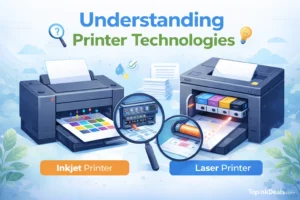
Before choosing a printer or buying replacement supplies, it helps to understand the core technologies behind modern printers. Different printer types are designed for different workloads, print volumes, and quality requirements, and knowing how they work can save you money and frustration in the long run.
In this section, you’ll learn the fundamental differences between the two most common printer technologies used today. Inkjet printers are typically favored for home use, color printing, and photo output, while laser printers are often chosen for speed, efficiency, and high-volume text printing. Each technology has its own strengths, limitations, and ideal use cases.
These guides break down how each printer type works, what kind of supplies it uses, and which situations they are best suited for—helping you choose a printer that truly matches your needs rather than relying on marketing claims.
-
Everything You Need to Know About Inkjet Printers
Learn how inkjet printers create images and text, when they perform best, and what to consider before buying or maintaining one. -
Everything You Need to Know About Laser Printers
Explore how laser printers use toner and heat to produce fast, consistent results, and why they are often the preferred choice for offices and heavy printing environments.
Use these resources as a starting point to compare printer technologies and decide which option aligns best with your printing habits and expectations.
Printing Supplies and Consumables
Printing doesn’t stop at choosing the right printer. Ink, toner, and other consumables play a major role in print quality, reliability, and long-term operating costs. Understanding how printing supplies work—and how they differ—can help you avoid unnecessary expenses and ensure consistent results.
One of the most important factors to consider is cartridge yield, which refers to how many pages a cartridge is designed to print before it needs replacement. Higher-yield cartridges often cost more upfront but can significantly reduce the cost per page over time, especially for users who print frequently. Choosing the right cartridge type can also minimize interruptions and reduce the need for frequent replacements.
This section focuses on helping you understand cartridge options so you can make smarter purchasing decisions based on your actual printing needs rather than sticker price alone.
-
Your Guide to High Yield Print Cartridges
Learn what high yield cartridges are, how page yield is calculated, and when choosing a high yield option makes sense for home or office printing. - The Complete Guide to Choosing the Right Laser Toner Cartridge
A comprehensive, evergreen guide explaining how laser toner cartridges work, how to choose the right toner for your printer, what affects page yield and compatibility, and how to get reliable performance from laser printing supplies.
By understanding how printing consumables work, you’ll be better equipped to balance print quality, efficiency, and overall cost—no matter which printer technology you use.
Paper Types and Print Quality
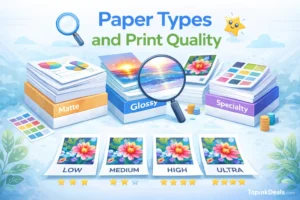
Paper is often overlooked, yet it has a direct impact on how your printed documents look, feel, and last over time. The type of paper you choose can affect color accuracy, text sharpness, ink absorption, and even how well your printer performs. Using the wrong paper for a specific task can lead to smudging, dull colors, or unnecessary wear on your printer.
Different printing needs call for different paper types. Everyday documents may only require standard office paper, while photos, presentations, or marketing materials benefit from specialty papers designed to enhance image quality and durability. Weight, finish, brightness, and coating all play a role in determining how the final output appears.
This section helps you understand the most common paper options and how to match them with your printer and project.
-
Discover the Different Types of Printing Paper
Explore common paper categories, from basic printer paper to photo and specialty options, and learn when each type delivers the best results.
Choosing the right paper can elevate print quality, reduce waste, and ensure your documents look professional—whether you’re printing at home or in an office setting.
Printing Basics and Terminology
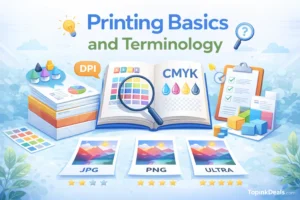
Printing comes with its own set of technical terms that can be confusing, especially for users who don’t deal with printers on a daily basis. Words like DPI, page yield, duplex printing, and print resolution are commonly used in product descriptions and settings, yet their meanings aren’t always clear. Understanding these basics makes it much easier to choose the right printer, supplies, and configuration for your needs.
Learning key printing terminology also helps you troubleshoot issues, compare products accurately, and avoid paying for features you don’t actually need. When you understand the language of printing, spec sheets and printer menus become far less intimidating.
This section provides a clear foundation by explaining common printing terms in simple, practical language.
-
The Important Printing Terminology That You Need to Know
A straightforward glossary of essential printing terms, explained in a way that helps you make confident decisions and better understand how your printer works.
Whether you’re buying a new printer, adjusting print settings, or comparing cartridge options, a solid grasp of printing terminology helps ensure you get the results you expect.
Efficient and Environmentally Friendly Printing
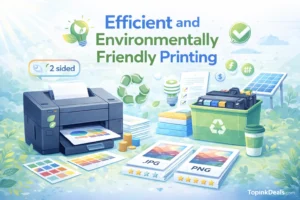
Printing efficiently isn’t just about saving money—it’s also about reducing waste and minimizing your environmental impact. Small changes in how you print, the settings you use, and how you handle used supplies can make a meaningful difference over time. By understanding best practices, you can extend the life of your printer and cartridges while using fewer resources overall.
Modern printers offer features that support more efficient printing, such as duplex (double-sided) printing, draft modes, and energy-saving settings. At the same time, responsible disposal and recycling of used cartridges and supplies helps keep harmful materials out of landfills and supports reuse programs.
This section focuses on practical steps you can take to print more responsibly without sacrificing quality or convenience.
-
The Environment and You – How to Use Your Printer Efficiently
Learn everyday habits and settings that reduce ink or toner usage, lower energy consumption, and improve overall printing efficiency. -
Protect the Environment With Printing Supply Recycling
Discover why recycling ink and toner cartridges matters and how proper recycling programs help reduce waste and conserve resources.
By adopting efficient printing practices and recycling responsibly, you can make your printing routine more sustainable while keeping costs under control.
How to Use This Knowledge Base
This Printing Knowledge Base is designed to be a long-term reference you can explore at your own pace. If you’re new to printing, starting with the printer technology guides can help you understand the basics before moving on to supplies, paper choices, and efficiency tips. More experienced users may prefer to jump directly to specific topics that match their current needs.
In addition to these evergreen guides, we regularly publish new articles on our blog covering printers, printing supplies, savings tips, and industry updates. While the knowledge base focuses on foundational information that stays relevant over time, the blog is where you’ll find fresh insights, comparisons, and practical advice related to everyday printing.
You can use the knowledge base to build a solid understanding of printing fundamentals, then visit our blog to stay up to date with new developments and helpful recommendations. Together, these resources are meant to help you make smarter printing decisions—whether you’re researching a purchase, managing ongoing printing costs, or simply looking to improve your printing experience.